
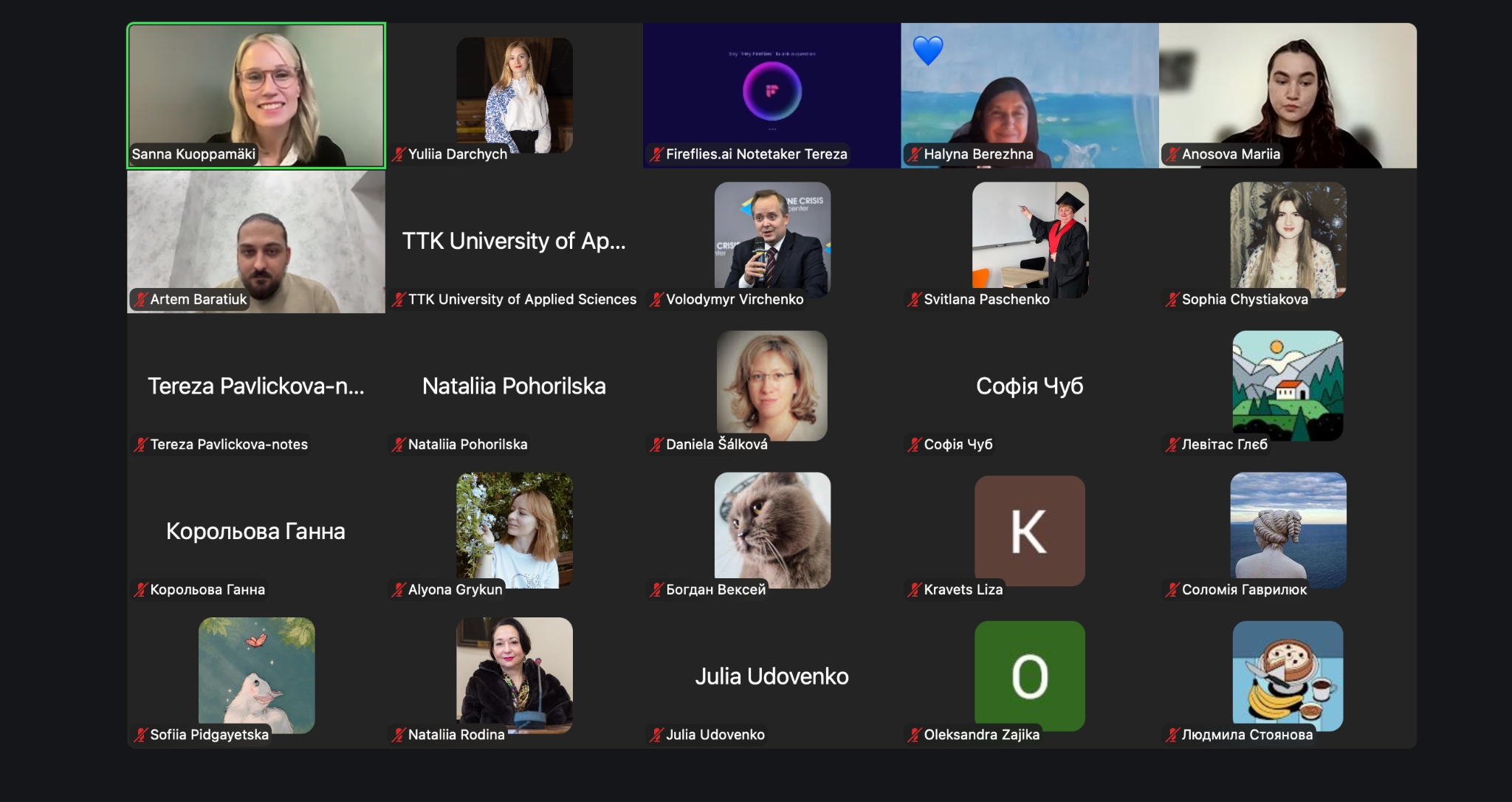
More than 80 participants from across Europe and Ukraine came together on 10 September for the ART4MENTAL Think Tank – an online event dedicated to exploring how Virtual Reality (VR), immersive technologies and art-based interventions can contribute to mental health and well-being. The event was organised by KTH Royal Institute of Technology together with other ART4MENTAL consortium partners.
The event brought together professionals from different fields to exchange knowledge, share practical experiences and discuss the opportunities and challenges of integrating VR-based art interventions into real-world settings.
The Think Tank is part of ART4MENTAL’s broader effort to connect expertise from the cultural, healthcare, educational and technology sectors. Its aim is not only to explore the potential of immersive technologies, but also to understand how they can be used responsibly, effectively and sustainably to support mental well-being, resilience and rehabilitation.
From scientific evidence to real-world practice
The event opened with Yuliia Darchych from INNO, who introduced the ART4MENTAL project, its mission, key objectives and expected results. She also presented the ongoing ART4MENTAL Open Call, inviting artists to contribute their creative perspectives to the project and become part of its growing international community.
The discussion then moved to the research and evidence behind immersive technologies.
Helen Kool and Merli Tammi-Joeveer from Tallinn University of Applied Sciences introduced their well-being technologies lab and presented scientific evidence on the use of VR in the context of mental health and well-being.
They also discussed the train-the-trainer approach that will be used within ART4MENTAL to help professionals develop the knowledge and skills needed to work with immersive technologies and art-based interventions in their own professional settings.
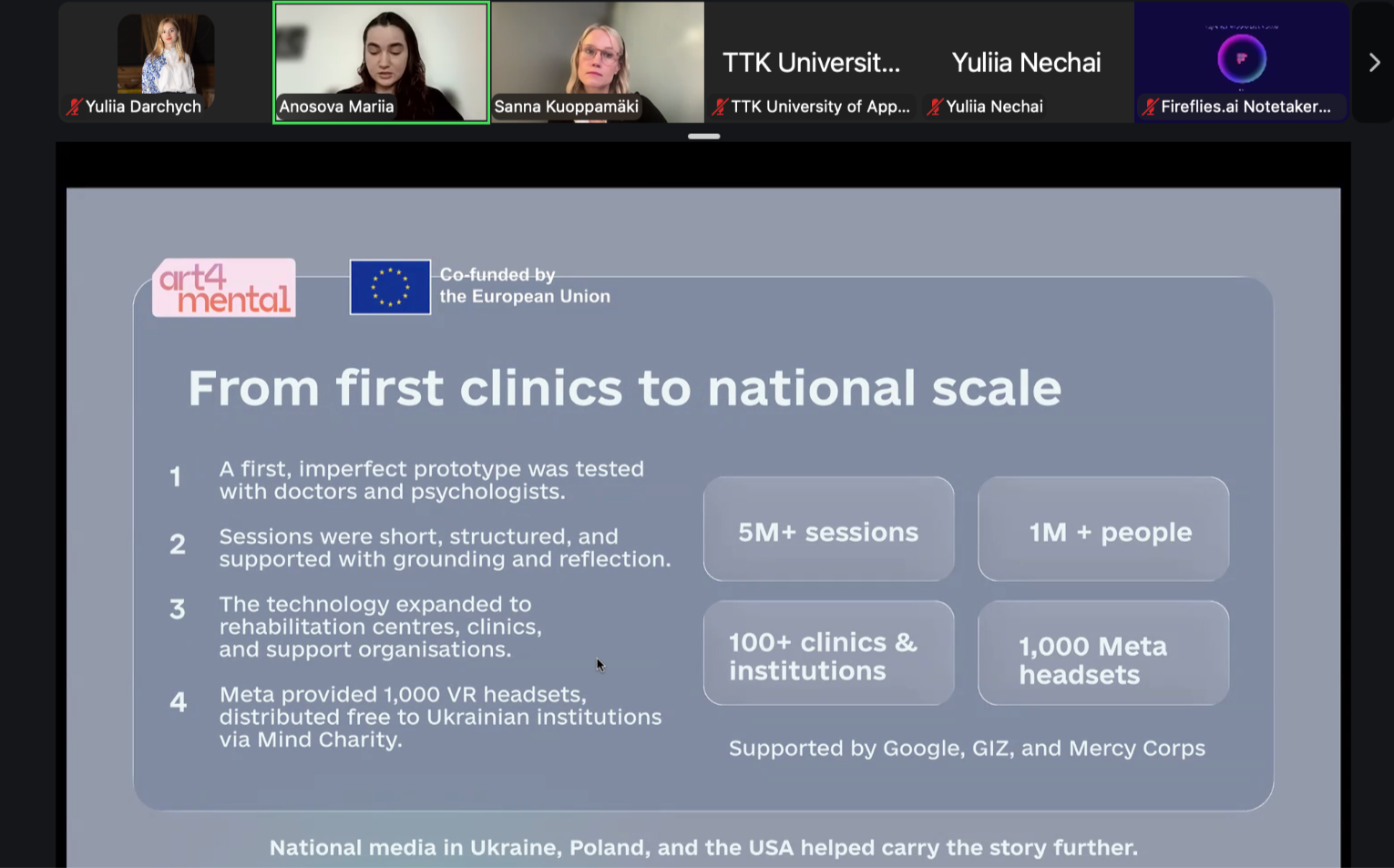
A practical perspective was provided by Mariia Anosova from Mind Charity, who shared real examples of VR-based treatment using Luminify equipment in work with soldiers returning from captivity and people with amputations.
Her presentation demonstrated how immersive technologies can move beyond their technological function when incorporated into professional therapeutic practice. In the hands of doctors and psychologists, VR can become a tool that supports rehabilitation, emotional well-being and recovery.
What do VR-based art interventions look like in practice?
At the heart of the Think Tank was a broader question: how can immersive technologies and artistic expression work together to support mental well-being?
VR-based art interventions combine virtual or immersive environments with different forms of artistic experience and expression. While research has demonstrated the potential of virtual environments in health promotion and therapeutic contexts, their practical application can take many different forms.
This makes interdisciplinary exchange particularly important. Therapists, educators, artists, researchers and technology professionals bring different perspectives to questions of how immersive experiences should be designed, where they can be used and what is needed to make them safe, meaningful and accessible to different groups.
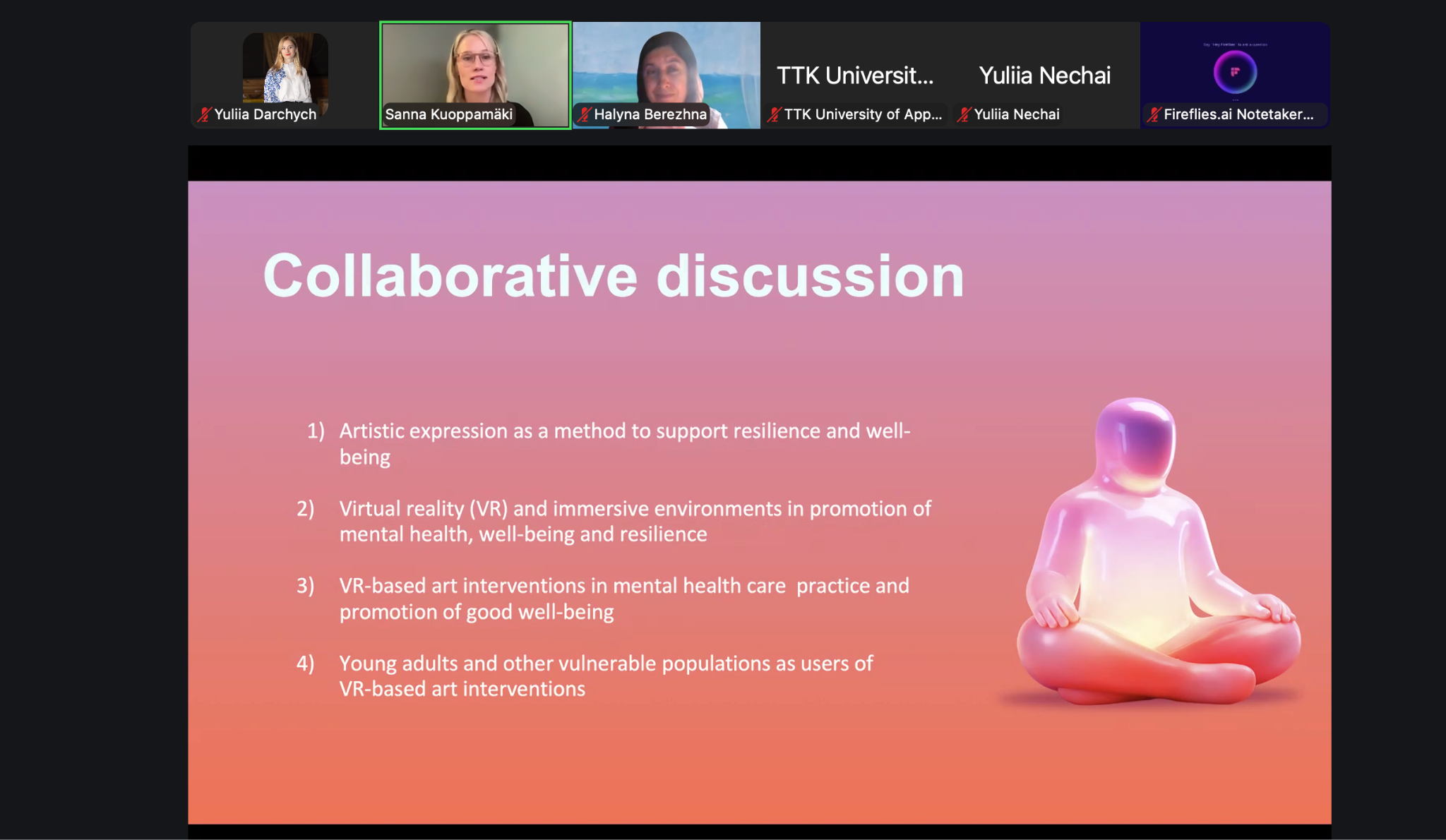
Throughout the event, participants explored topics including artistic expression as a way to support resilience and well-being, the role of VR and immersive environments in mental health promotion, and the possibilities and limitations of using VR-based art interventions in therapeutic and educational contexts.
Particular attention was given to their potential use with young adults and other vulnerable populations.
Turning discussion into shared knowledge
The second part of the Think Tank moved from presentations to active collaboration.
Participants joined small-group discussions before coming together for a wider exchange of perspectives and experiences.
The discussions provided space not only to explore the potential benefits of these approaches, but also to identify practical barriers, professional needs and questions that need to be addressed before they can be implemented more widely.
This exchange of perspectives is particularly important for ART4MENTAL. Rather than developing approaches from the perspective of a single discipline, the project brings together knowledge from art, mental health, research, education and technology.
What happens next?
The Think Tank was designed as more than a one-day event.
The insights and professional perspectives shared by participants will contribute directly to the next stages of ART4MENTAL. Expert opinions, practical experiences and identified opportunities and barriers will inform the development of ART4MENTAL methodologies, training materials, practical guidelines, strategic and policy recommendations, as well as recommendations for artists, therapists and educators working with VR-based art interventions.
They will also contribute to exploring how these approaches could be implemented in settings such as cultural institutions, educational environments, rehabilitation centres and mental health services.
Special attention within the project is given to the needs of young people and vulnerable populations, including displaced people, women and patients in rehabilitation centres.
The Think Tank also marks another step in building the ART4MENTAL Community of Practice – a space where professionals from different disciplines can continue exchanging knowledge, reviewing emerging project recommendations and contributing to the wider implementation of project results.